Showing posts with label children. Show all posts

Thursday, 22 October 2015

Three October art things in Cambridge


What art to see in Cambridge this month:  My quirky picks


1)  Shaggy Dog Stories, by Tom Hackett.  Yellow dogs in wheelbarrows.  On a balcony in the Lord Ashcroft Business building at Anglia Ruskin University on East Road.  More about them on the surrounding walls.  You can touch them!  They feel sort of slimy, like dry soap.  


2)  Kerstin Hacker's haunting photographs of births, babies, midwives and mothers on a Czech maternity ward.  Strange, beautiful, sad, wrenching.  At Changing Spaces, that little gallery next to CB2 on Norfolk Street.


Kerstin-Hacker-poster.jpg


 More here:  http://changing-spaces.org/2015/10/kerstin-hacker-maternity-ward/

Ends 1 Nov.


3)  Oh, and my own talk at the Festival of Ideas on Saturday, 24 Oct, at 2 pm.  :-)  Come along to the Fitz and join me for Power and Resistance in Sculpture in the Aftermath of World War One.


http://www.festivalofideas.cam.ac.uk/events/power-and-resistance-sculpture-aftermath-world-war-one

Month: October 2015
Place: Cambridge, Cambridgeshire

Tuesday, 2 June 2015

Mysterious Royston cave art


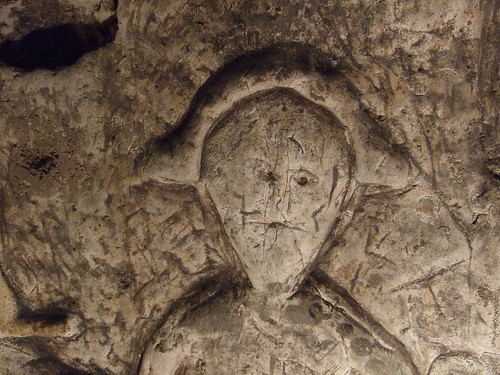
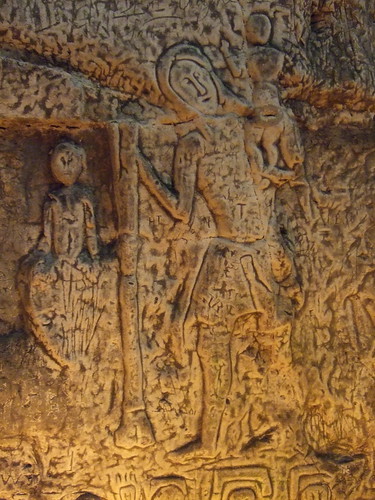
royston cave st michael or st george face
Royston Cave.  St George or St Michael. 

.I visited the weird and somewhat grisly underground cave in Royston (40 minutes drive or so from Cambridge) with my friend Ellie.

It's a dank and mysterious place.


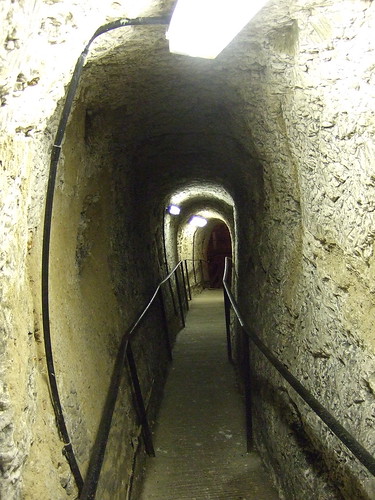
tunnel down into royston cave
Tunnel down into Royston cave.
It's not a natural cave.  It was made by people sometime in the past.  Yes, it's that vague.  Locals rediscovered the cave by accident in the 18th century.  By that stage, nobody knew when it had been made or by whom or what it was for.

 Mysterious artists carved crude Christian figures into the stone.

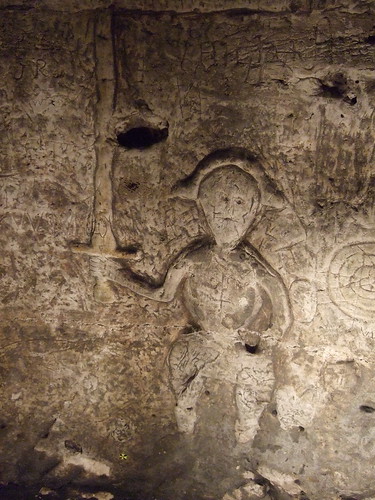
royston cave st michael or st george
Royston cave.  St George or St Michael, holding sword.
.
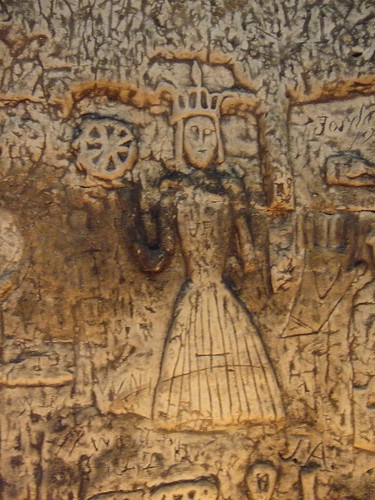
royston cave st catherine
Royston cave.  St Catharine.
.
royston cave st christopher
Royston cave.  Saint Christopher.

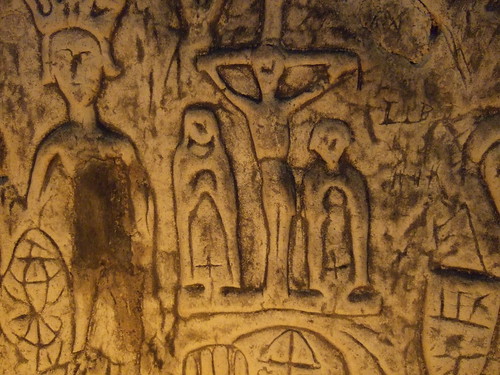
royston cave crucifixion
Royston cave.  Crucifixion.

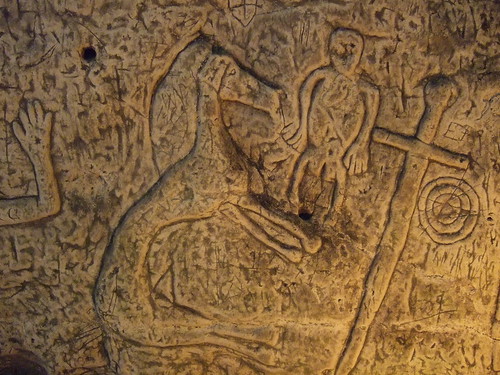
royston cave sheela na gig and horse
Royston cave.  Sheela na gig and horse.
Here's another Sheela na gig I saw years ago in Wales (isn't she just faboulous?):
Sheela na gig, Kilpeck church, Herefordshire.
Source:  Wikimedia.

.
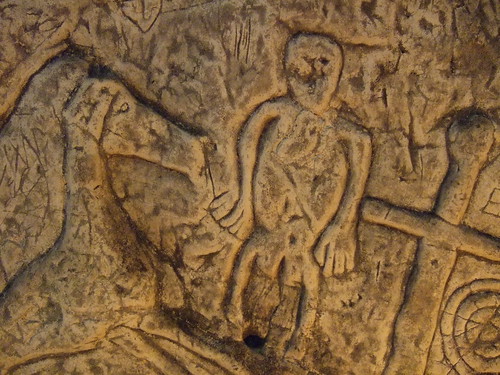
royston cave sheela na gig
Royston cave.  Sheela na gig.
.
Read all about the Royston cave here.


I think this is one of the weirdest places to visit in the Cambridge area.  If you like a mystery, if you like subterranean caverns, if you'd like something adventurous to do with children, or if you've run out of sights to see in Royston:  this is the destination for you.

Thanks for reading and have a lovely day.
.

Sunday, 11 May 2014

#MuseumWeek #AskTheCurator


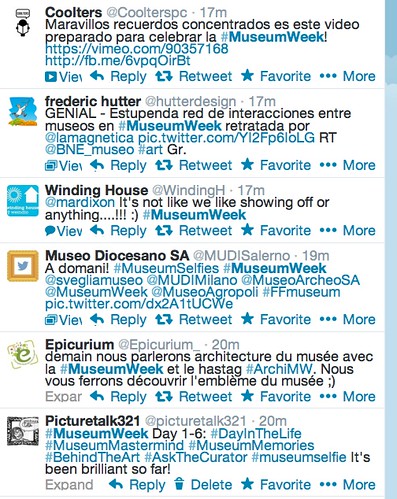
Museum Week on Twitter:

My personal round-up


twitterfeed museumweek j


All throughout the last week of March, I loved the #MuseumWeek hashtag hosted on Twitter (24-29 March 2014).

Day 1 Mon:   #MuseumWeek #DayInTheLife
Day 2 Tues:   #MuseumWeek  #MuseumMastermind
Day 3 Wed:   #MuseumWeek  #MuseumMemories
Day 4 Thurs:   #MuseumWeek  #BehindTheArt
Day 5 Fri:   #MuseumWeek  #AskTheCurator
Day 6: Sat:   #MuseumWeek  #museumselfie
Day 7 Sun:  #MuseumWeek #GetCreative

Day 5 was totally busy for me with my favourite  hashtag:  #AskTheCurator.

I asked a lot of museums and galleries, and here's what they answered:


Cambridge museums:


@ZoologyMuseum.  Museum of Zoology, Cambridge.
Where is the whale?
The whale is in a building near the Museum, and its skull in its own purpose-built box outside.  Watch on youtube.


© Ben Harris and licensed for reuse under this Creative Commons Licence

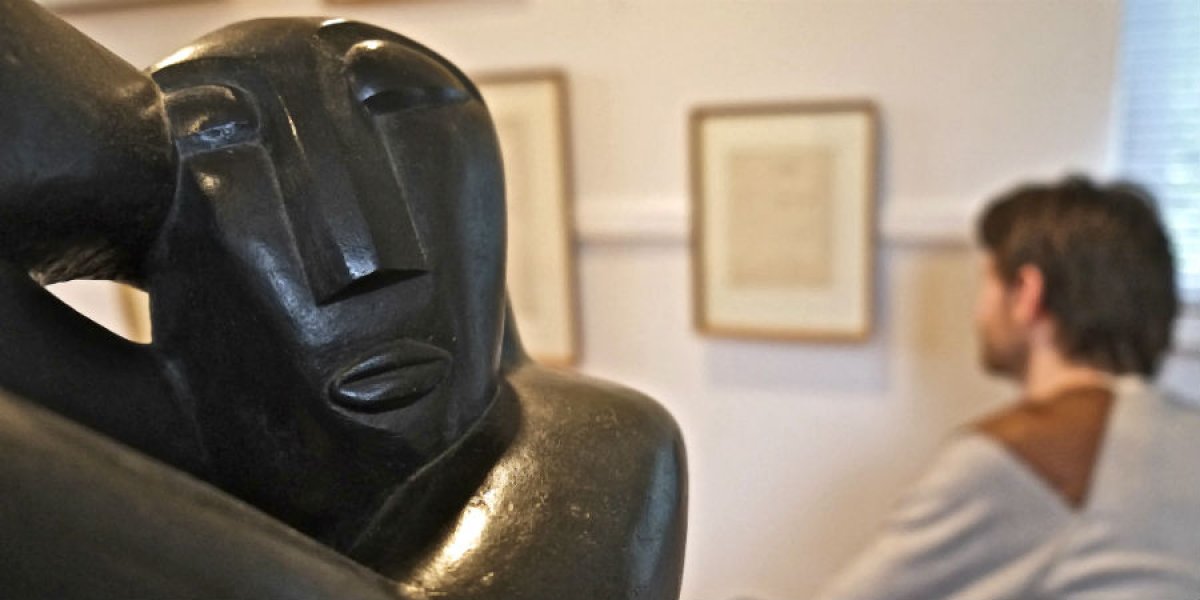
@kettlesyard    Kettle's Yard, Cambridge.
If you weren't a curator, what job would you like to have?
Several of our curators past and present were artists first, so maybe artists, others have told me they would be writers.

Kettle's Yard with sculpture Seated Woman (1914) by Henri Gaudier-Brzeska; source: campaign.cam.ac.uk


@MAACambridge  Museum of Archaeology and Anthropology, Cambridge.
Who leaves offerings for Ganesh in the bookshop?  Does that happen with other works as well?
It's a museum mystery... there's no offerings at the moment but who knows when more might 
 appear...?!

We think it's a member of staff but no one knows who -- it's being kept very secret!


Ganesh the Museum of Archaelogy and Anthropology, Cambridge (mounted on wall near entrance)


@FitzMuseum_UK    The Fitzwilliam Museum, Cambridge.
Has anyone ever prayed in front of or otherwise worshipped any of the religious art?
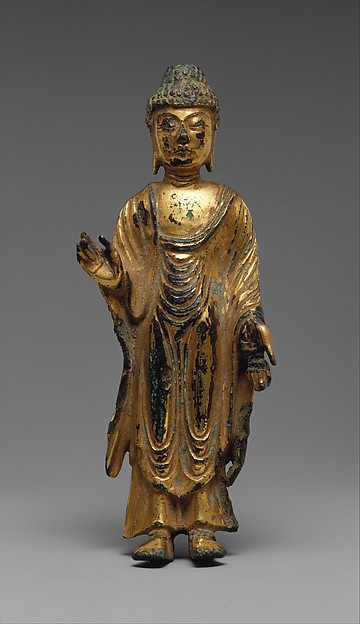
Yes, but not Christian art.  People have prayed before the big golden Buddha which being conserved.

I couldn't find the identity of this 'big golden Buddha'.  The Fitzwilliam's online collections catalogue lists one gilt Buddha from 8th/9th-century Korea but it is only 17.5 cm high.  There is no picture of this Buddha so I'm illustrating with a similar Buddha from New York for comparison:


Korean Buddha, Silla period (8th C), gilt bronze, 14 cm high, © Metropolitan Museum of Art.  Source:  The Met.


How many works of art does the collection have?
We now have just under 450 - all by women artists.


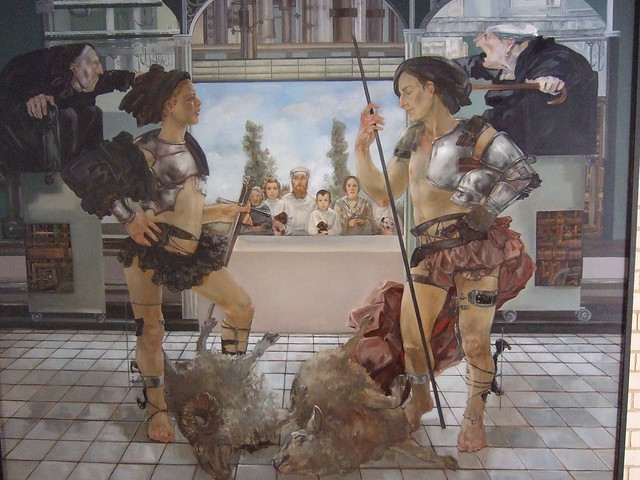
Ulyana Gumeniuk, Family, 2001; New Hall Art Collection (Murray Edwards College, Cambridge)
More about Gumeniuk's painting in my blog post here.


London museums:


@NPGLondon  National Portrait Gallery, London.

Are there any portraits of curators in the National Portrait Gallery?
There are indeed!  Here's the most recent curatorial group shot.  ow.ly/v3VOG
Brilliant!

Curators of the NPG; © photographer Natalia Calvocoressi; source:  NPG


@CourtauldGall  The Courtauld Gallery, Somerset House, London.
What is the most popular painting in your collection?
I think Manet's Bar is probably the most popular -- is it your favourite?


Manet at the Courtauld.   Source:  VisitLondon.


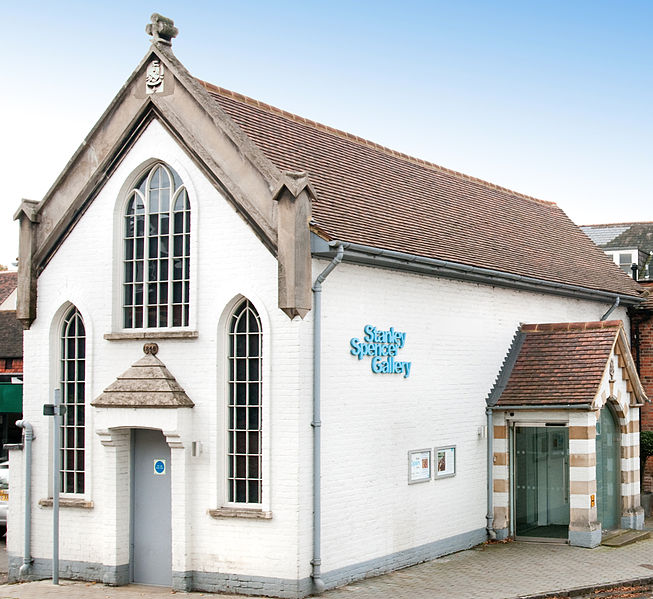
@SpencerCookham  The Stanley Spencer Gallery, Cookham, England.
What are the challenges for a small non-London gallery? (Fit them into one tweet...?)
Networking.  Marketing.  Copyright.  Volunteers.  Money.  Time.  Visitors.  Security.  London.  Access.  Technology.  Retailing.


Stanley Spencer Gallery; © Lagosman (Creative Commons license); source:  Wikipedia


Rest of UK and rest of world:


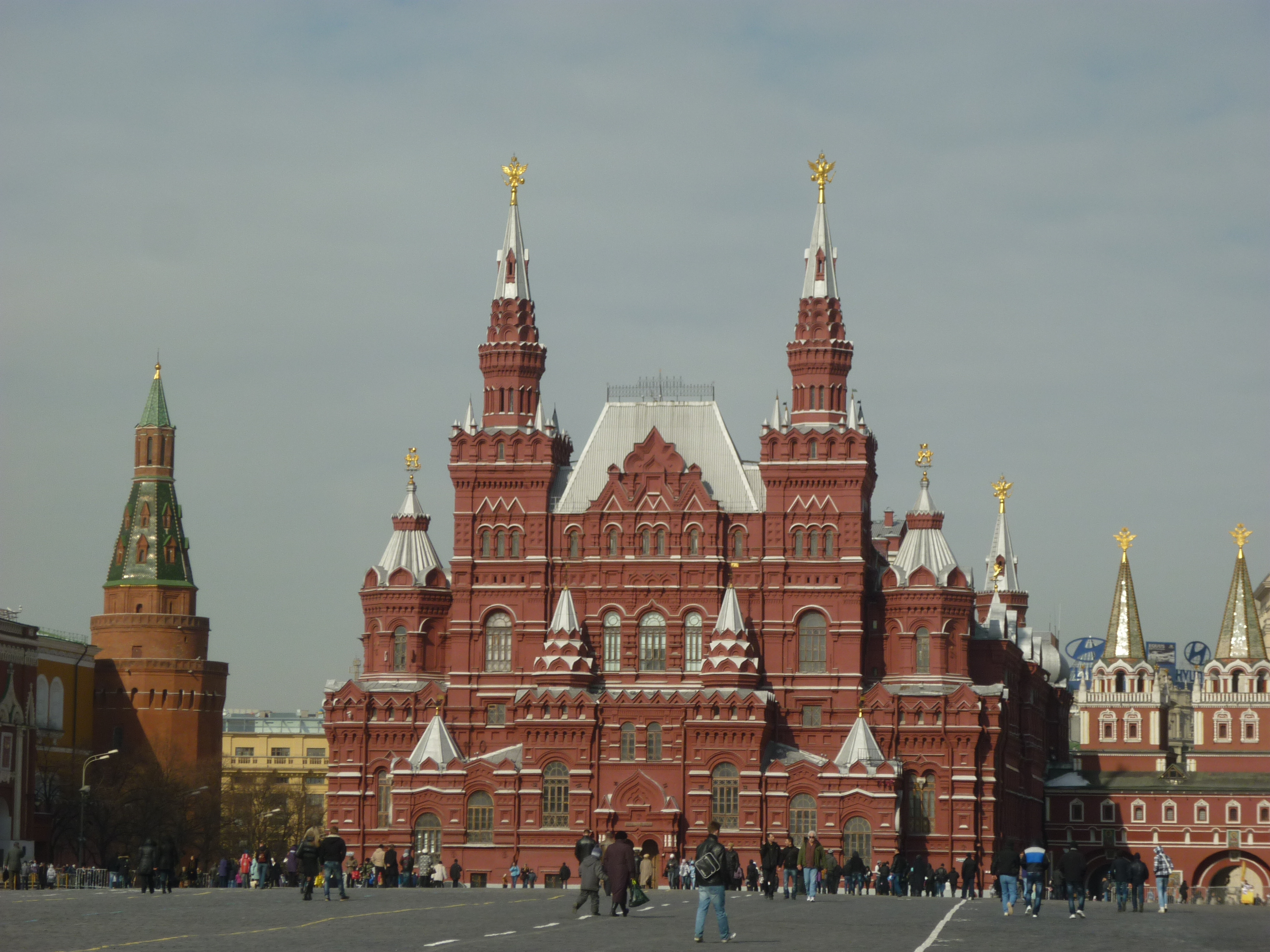
What is the percentage of art made by men in the Historical Museum collection?
It's really difficult to say, since we have around 5 million objects in the collection.  So let's say - most of them :)
State Historical Museum of Russia; ©Nadvik / Надвик (Creative Commons licence); source:  Wikimedia
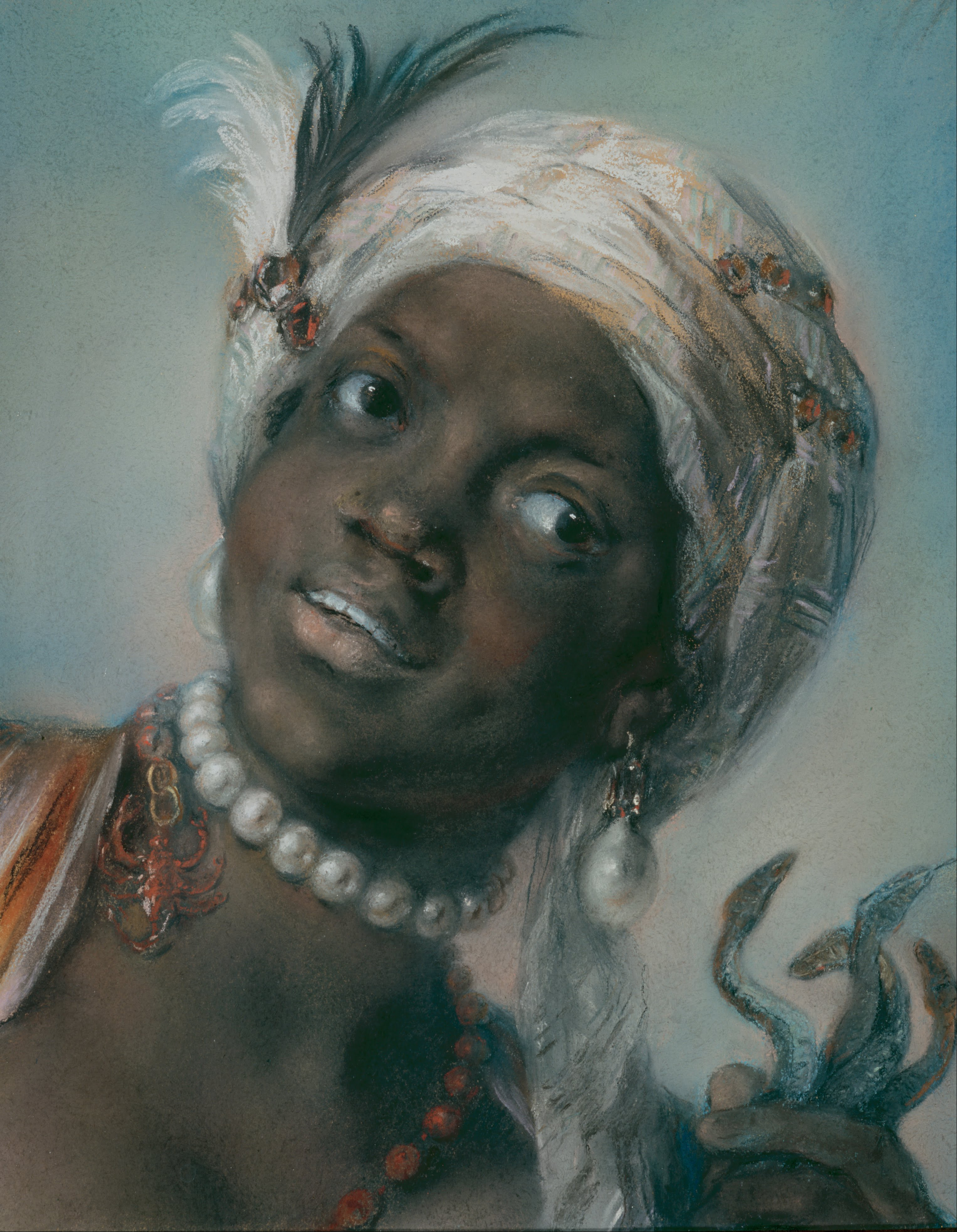
What is the percentage of art made by men in Dresden's art collections?
Great question, but difficult to answer for our 1.5 million artworks.  We own various works by female artists, e.g. Rosalba Carriera.


Rosalba Carriera, Africa, pastel drawing, early 18th C; Dresden, Gemäldegalerie; source: xwFfAvazJkgUTQ at Google Cultural Institute (Public Domain) / Wikimedia


@WomenInTheArts  National Museum of Women in the Arts, Washington DC, USA.
What has been your most popular exhibition?
We think our show with the highest attendance was  'Julie Taymor: Playing with Fire' (2000-01).


A personal response to Julie Taymor in MacMomDaly's blog.

Another exhibition with big attendance was 'Berthe Morisot: An Impressionist and Her Circle' (2005).


Berthe Morisot, The Cage, 1885, source: National Museum of Women in the Arts


@museocinema  Museo Nazionale del Cinema, Turin, Italy.
What has been the most popular film?
This one.


Recognise it? 


@MuseoGuggenheim  Guggenheim Museum in Bilbão.
How often do you weed and water Koons puppy?
Nearly every day!


Jeff Koons, Puppy, 1992, flowers and structure, 12 meters high, outside the Guggenheim Museum in Bilbão, northern Spain; © Noebse (Creative Commons license); source:  Wikimedia


@MIAQatar  Museum of Islamic Art, Doha, Qatar.
What are the three top abilities or aptitudes needed to work in a museum of Islamic art?
We will get back to you on Sunday with answers from our curators during office hours.
 (I'm still waiting... *g*)

Source: MIA


@museiincomune  Rome's Civic Museums Network
What are the three top skills needed to work in a museum?
Flexibility, expertise and a welcoming attitude towards visitors.
Answer given by our Sovrintendente Claudio Parisi Presicce.


Superintendent Claudio Parisi Presicce; source: il giornale dell'arte.com


@Kunsthalle_KA  Kunsthalle Karlsruhe, Germany.
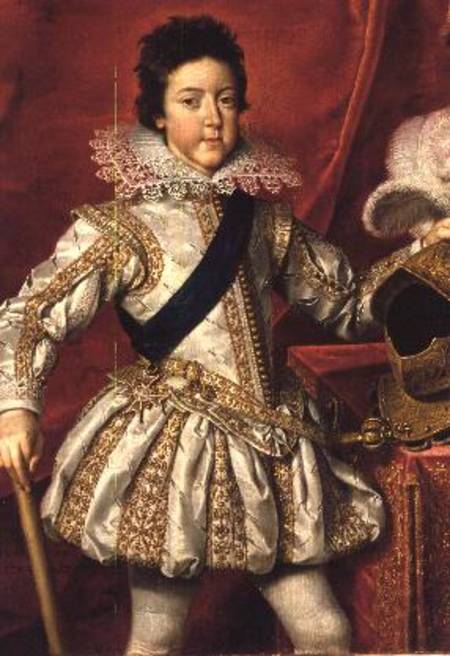
What are the three most popular works with children in your gallery?
Popular works for kids:  F. Porbus' Ludwig XIII & his wife; Manet's Le petit Lange; Kandinsky's Improvisation 13.

I asked this question because I once did an internship at the Kunsthalle Karlsruhe, and they were brilliant at museum education with children.  It seems, they still are!


Frans Pourbus the Younger, Anne of Austria, 1616, Kunsthalle Karlsruhe; source: Wikimedia (public domain)


Frans Pourbus the Younger, Louis XIII, 1616, Karlsruhe; source:  artprints on demand
 
St Michael's kindergarten children in the Kunsthalle, playing dress-ups as Anna of Austria and Louis XIII; source:  Kindergarten St Michael, Ötigheim


Edouard Manet, Child's Portrait (Little Lange), 1862; source: bellekunst's blog

 
Children from Kindergarten Storchennest in the Kunsthalle in front of Manet's Le petit Lange; source:  'Storchennest', Evangelischer Kindergarten in Stein


What the children said about their visit (translated from the nursery school's website):


Enja: "We looked at a picture, and then we made art works ourselves.  There was once a princess in the castle who collected pictures."
Pascal:  "There was a well there, and there was a hall with a whole lot of pictures."
Hannes:  "To get to the pictures we had to climb up a lot of stairs."
Fabian:  "There were alarm systems there."
Lena:  "Then we looked at a picture of 'Le petit Lange'."
Alicia:  "I saw a picture with the boy."

Yannik:  "The painter stood him there and then painted him."
Dominik:  "He was wearing black trousers.  And the woman dressed up Yannik like that."
Samuel: "The boy had a hat and shoes for tying on, a sort of over-the-top socks."
Luca:  "We then painted ourselves.  We got mirrors."
Patrice:  "Miss Ade had to take photos without a flash, otherwise the colour would melt."


Vassily Kandinsky, Improvisation 13, 1910; source: Kunsthalle Karlsruhe


Bietigheim primary school children in the Kunsthalle, making art after having looked at Kandinsky; source:  GWRS Bietigheim


No reply:


I never got an answer from the following museums:


@DulwichGallery  Dulwich Picture Gallery, London.
What are the three key skills you need to work in a gallery or museum?

@DeMorganCentre.  The William and Evelyn De Morgan Centre, London.
What's your favourite work in the gallery?

@britishmuseum  The British Museum, London.
How many people work at the British Museum?

@MuseumLudwig  Museum Ludwig, Cologne (Germany).
How often do you launder the towel in Tom Wesselman's bathroom work?

Tom Wesselman, Bathtub, 1963, Museum Ludwig; source: laat mij maar lopen blog


@KunsthalleMannh  Kunsthalle Mannheim (Germany).
How do you cater for children in the museum?

@ArtGalleryofNSW  Art Gallery of New South Wales, Sydney (Australia).
What is the most popular work in the gallery?


@BgoArtGallery  Bendigo Art Gallery, Victoria (Australia).
How did Schmalz's Too Late end up in your gallery?


Herbert Schmalz, Too Late, 1884, source: Bendigo Art Gallery (public domain)


@CVersailles  Château de Versailles (France).
Do you ever get people doing political demonstrations in or outside the château?

@LindenMuseum  Linden-Museum, Stuttgart (Germany).
What is the difference between ethnography and anthropology?  How do these relate to Völkerkunde?

@Tate  Tate, London (and elsewhere).
What is the percentage of art made by men in the Tates' collections?

@ngadc  National Gallery of Art, Washington DC (USA).
What is the percentage of art made by men in the gallery's collection?

@MuseeLouvre  Musée du Louvre, Paris (France).
What is the percentage of art made by men in the Louvre's collection?


New Hall Art Collection of women artists, Murray Edwards College, Cambridge
Percentage of art made by men: zero.  Doesn't redress the balance but still: yay!


I hope we have another #MuseumWeek next year!

Permalink:  http://artincambridge.blogspot.com/2014/05/museumweek-askthecurator.html

Tuesday, 8 April 2014

Cambridge bull sculptures


Los toros

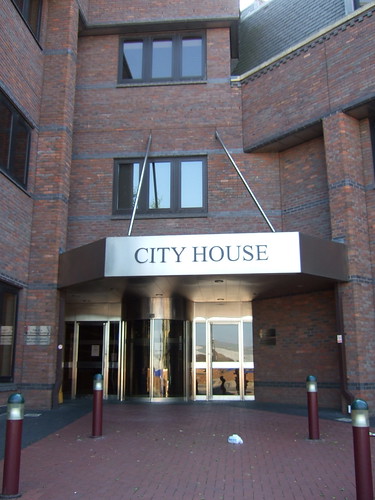
Walk across the Hills Road Bridge and into Deloitte's offices in City House.  An unpromising entrance, architecturally ugly.  But what do you find once you're inside?


Cambridge bull sculpture

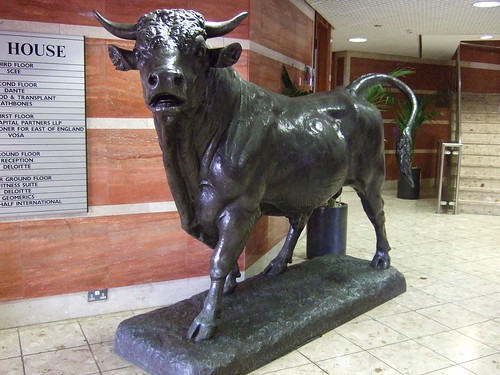
Bulls!

Bulls of bronze!

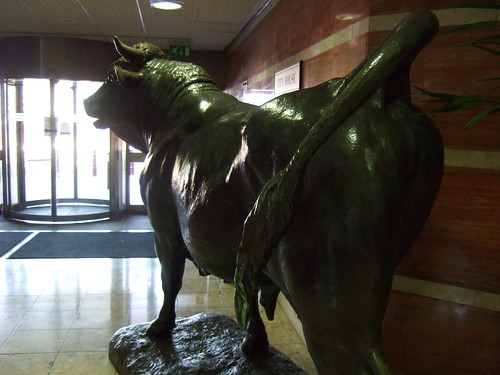
This one looks at you with defiant cluelessness.  Jaunty ears.  Short horns. A gloriously curved and taut tail.  Cloven hoofs.  And rolling folds along his chest.


Cambridge bull sculpture

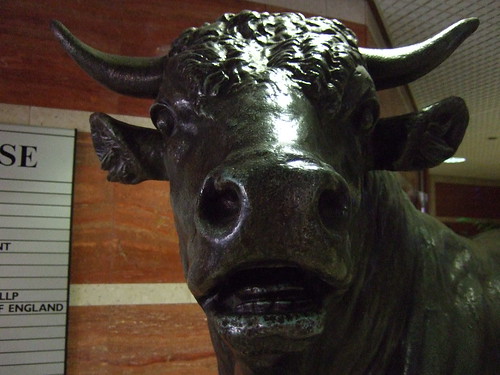
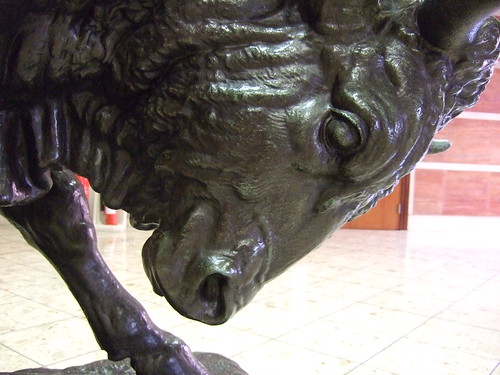
A curly coiffure.  And over-awed bulging eyes.  His large round nostrils snort at you.

What is he doing here, in the lobby of an international financial advisory corporation? 

Cambridge bull sculpture

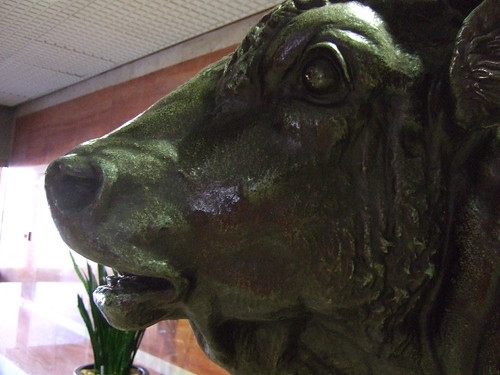
Viewed in profile, he looks less aghast and more determined.

Cambridge bull sculpture

Penetrate more deeply into the gleaming tiled lobby and encounter Bull Nr 2.
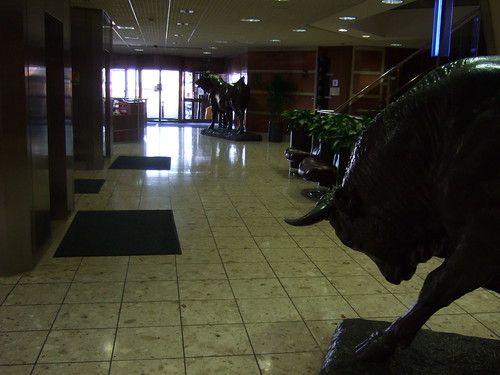
Cambridge bull sculpture


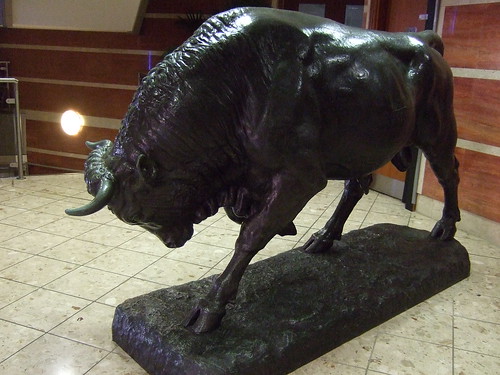
This one paws the ground, dynamic, intent, ineffectual.  Surrounded by potted palms and faux-marble stripes.
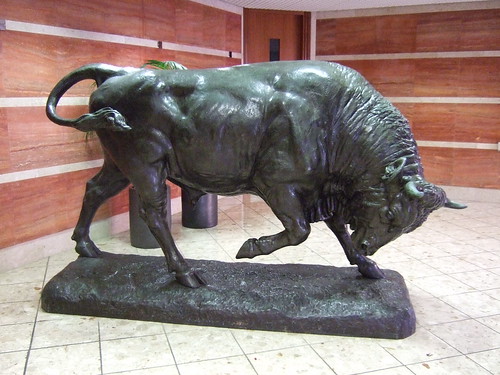
Cambridge bull sculpture

What is it you seek on your little bronze platform, o bull?

Cambridge bull sculpture


Humped and muscular.

Cambridge bull sculpture

Kind of weird and incongruous.

But kind of majestic.


DSCF8719

Who is the sculptor?  What is their title?  Who commissioned them, and when, and why?  I have no idea.

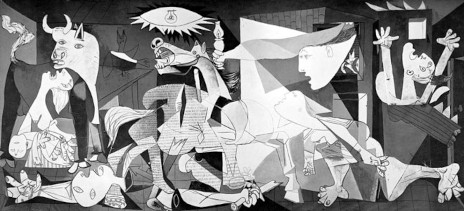
I call them los toros (pronounced with a Spanish accent) but that's just my personal name.  Not quite because of Picasso's Guernica but more because of the Osborne bulls that stand around in Spain:

Manolo Prieto, Spanish Osborne bull, 1956 (ad for Osborne Brandy de Jerez; this one's near Seville)
Source:  wikimedia, © Grez

And feature in Bigas Luna's film Jamón Jamón.


More bull sculptures

There are loads of bull sculptures out there.  Here's a selection:

Pan He, Pioneering Bull, 1984, Shenzhen, China
Source: News Guangdong

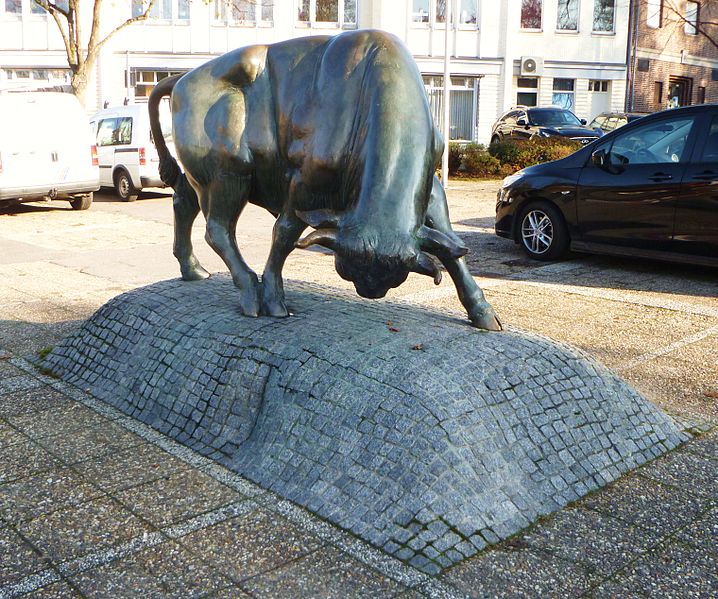
Karl Henning Seemann, The Bull of Brand (suburb of Aachen / Aix,
in Germany), 1976
Source: wikimedia, © Arthur McGill


Paul Mersmann, Bull (Aurochs), 1934, Alboin Square, Berlin-Schöneberg
Source:  wikimedia, © Lienhard Schulz

Laurence Broderick, Bull, Bull Ring, Birmingham, 2003
Source:  wikimedia, © Green Lane
Sally Matthews, Tarw (Welsh Black Bull), National Botanic Garden of Wales, c.2009
Source: Garden of Wales


The Bull of Wall Street lurches madly.  He is a guerrilla sculpture, transported to Wall Street in 1989, after the stock market crash (one of the many?) in trucks by the artist.  And now still there, a tourist attraction.
It has affinities with Deloitte's.

Arturo di Modica, Charging Bull (aka The Bull of Wall Street), 1989
Source:  Redhotmarketing
What are your associations?  Bull and multinational business?  Bull and minotaur?  Bull and matador?   Bull and agriculture?

P.S. Children will love these.  I used to look at them through the window with my son on the way to school.  One day we entered and were amazed.

Read my follow-up post:  

Mystery sculptor revealed!  The astonishing story of the Cambridge bulls
Related Posts Plugin for WordPress, Blogger...